
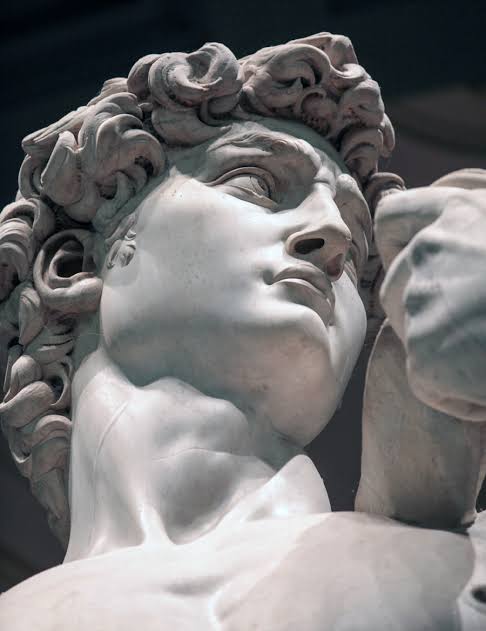
There is a widespread tendency to gatekeep the act of reading. I think George Steiner would be appalled, if he were still alive, to realize the amount of content being created in the name of a “superior” form of reading. Some say there is a right way to read. Others even claim that there is only a specific group of books worth reading—everything outside that selected collection doesn’t count as reading. Then, there’s an explosion of content offering several book analyses just to make sure you aren’t being derailed by your own judgment.
What made me write this, however, is none of the above, but rather the fact that there’s now a new boldness: creating wild conspiracy theories with no basis and no consistency. Half-truths baked into pernicious lies with the sole purpose of discrediting centuries of literature.
First and foremost, a classic is not just something written in the West. Throughout the world, there are literary classics still hidden from most Westerners. Second, Homer didn’t write The Odyssey; it was part of an oral literary tradition. Third, not everyone is fond of Latin or Ancient Greek works, nor does everyone have the inclination to read them. Saying that those are the “real” classics is just rage bait. I dislike Aristotle, but I immensely enjoyed reading the Satyricon. However, at any given moment, I would rather read Jane Austen or José Saramago than read about cruel gods who have no regard for humans.
This tendency to close the door on readers by telling them, “That’s not a classic,” is a form of moral elitism. It divides readers into categories: those in first class who read Seneca or Plato, and those in the lower chambers of the underworld who delight in Dumas or Yarros. This polarization resembles the intense debate between knitters and crocheters. Can’t we all agree that, like knitters and crocheters who love yarn, we readers simply love to read?
To end this rant, George Steiner wrote the following in Errata: An Examined Life:
“I define a ‘classic,’ in literature, in music, in the arts, in philosophic argument, as a signifying form which ‘reads’ us. It reads us more than we read (listen to, perceive) it. There is nothing paradoxical, let alone mystical, in this definition. Each time we engage with it, the classic will question us. It will challenge our resources of consciousness and intellect, of mind and body (so much of primary aesthetic and even intellectual response is bodily). The classic will ask of us: ‘have you understood?’; ‘have you re-imagined responsibly?’; ‘are you prepared to act upon the questions, upon the potentialities of transformed, enriched being which I have posed?’ […]”
If a book has had this impact on you, congratulations! You have read a classic!


Leave a Reply