
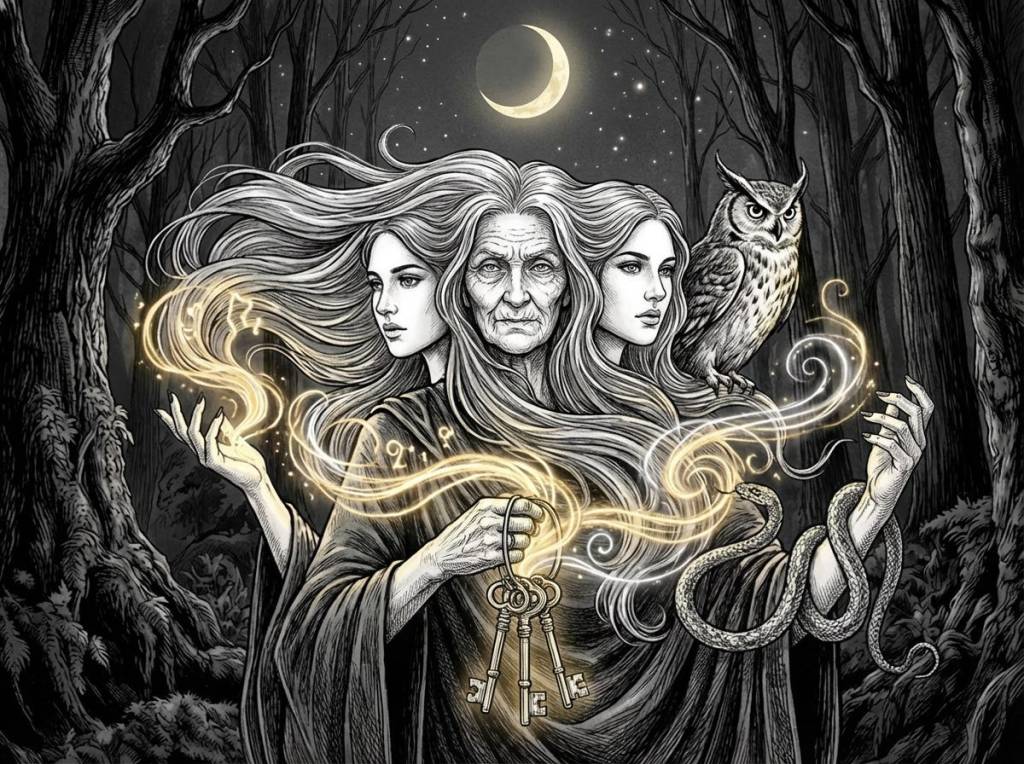
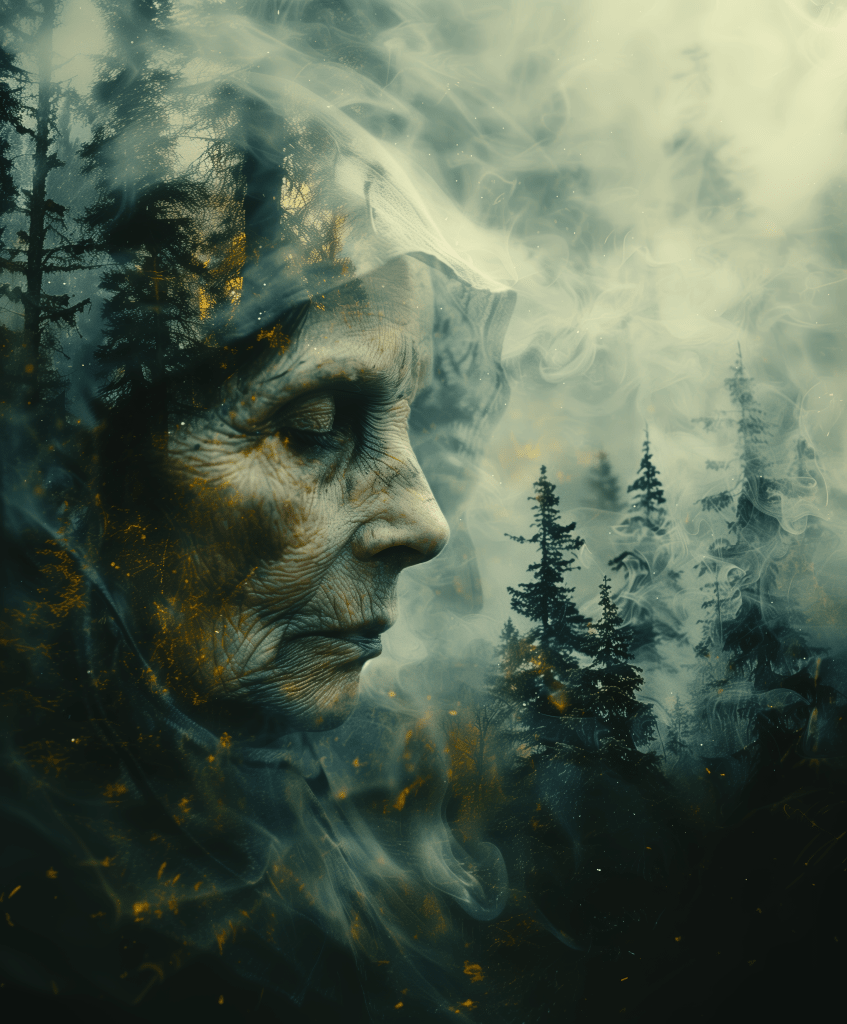
“Let women die old, white-crowned, with human hearts.”
Ursula K. Le Guin, The Space Crone, 1976
“I’m no longer a woman,” she whispered to me. She was forty, and she was terrified. She was wearing her daughter’s used sanitary pads so her husband wouldn’t realize she had reached menopause. I just stood there, shocked and staring at her, wondering why someone would go to such lengths. I was just a child and I was still far from understanding the trials and sorrows of losing youth. That realization caught me off guard some months after giving birth to my daughter. As I caught my reflection on that bathroom mirror I gasped. Something was different. I was looking at a stranger in the mirror. Who was that tired and somewhat aged woman? That was the first time I started to grasp the full weight of those conversations I overheard in rooms filled with older women. Although I always knew aging was inevitable, nothing had prepared me for it. I didn’t know then that this stranger held the key to a kind of power that youth could never understand. No one had told me about the many journeys I would have to face. I was oblivious to the last, and perhaps the most important of all: the journey of reconnecting with myself, of accepting the crone within me.

Aging is a delicate subject. Instead of accepting and learning to live gracefully through these autumn years we are offered solutions to a natural cycle. There’s always a new anti-aging elixir, 5 essential habits to maintain youth and several new cosmetic procedures to erase time from our bodies. The explanation is simple and ancient: this system was built like this, by default. Youth is celebrated and getting old is considered a shameful condition. Therefore it must be fought from the top of our willpower and from the bottom of our pockets.
A long time ago there were societies where the different phases of being a woman were more visibly acknowledged and cared for. The child gave way to the maid, the virgin, then to the mother and finally to the old woman, the crone. The maid or virgin had her place exempt of shame or guilt. When she became a mother she was cared for by the other women. A woman in these kinds of societies was never left alone to fend for herself. The community was knitted together and women were able to shine through all the stages of womanhood. However, most women didn’t have the blessing to live and thrive in such fertile environments. They had to break through the constraints of their cages.

My grandmother whose life was terrible due to extreme poverty and being married to an abusive man, gained the title of the village healer. She had a wide knowledge of medicinal herbs. She, in an astute way, was able to gain the blessing of the catholic father by using approved religious incantations while providing herbal treatment. Those achievements granted her the witch title among men. Men feared her and women found solace in her power.
Back then, magic was a touchstone, an assurance that things could get better. A hope for better days, for better outcomes. If a woman was unlucky in her daily life, my grandmother would teach her a set of rituals and incantations to cast away the evil eye. Or if a young woman wanted to get a husband, there was also a specific ritual and a series of prayers to a particular catholic saint, to make her dream come true. Magic was the elixir of hope and an anchor for women in those difficult times.
Being a woman, 50 years ago in my country, Portugal, meant being subjected to abuse, violence and extreme poverty, in most cases. Those women didn’t have the luxury to worry about getting old. They were worried about survival. They worked on the fields while pregnant and breastfeeding and faced the loss of multiple children. Death was always present. Life and death were constantly celebrated. And getting old meant getting wiser and achieving a status in the village, a way to gain agency and a voice. A way to gain power as a woman in a world ruled by men. I have a picture of my grandmother when she was 40 years old. At 40, the hardships of her life were already carved into her face and her body. She looked like she was much older. However she lived until her 90’s providing me a precious template of how to age and how to become a crone. There was something solid and almost noble in the way she projected herself. That tiny and fragile old woman, dressed in black, carried an astute and piercing mind. She embodied something more powerful than time and the changing will of society. She wasn’t afraid of herself.

But society changes and thus the will of people. The magic herbs and incantations my granny taught other women were substituted by the anti-aging creams, serums, diets and surgical procedures. Aging is no longer a possible gateway to freedom and power. Now it is just a terrible trick devised by nature and it must be defeated. Women have become the primary target of this economic blueprint. There is a widespread tendency to ridicule women who spend thousands of euros on cosmetic procedure, and an equal tendency to diminish those who refuse them. In both cases, the critique and ridicule used against both groups is rooted in and nourished by misogyny.
It is true that women have always been subjected to unattainable beauty standards. We can see the roots of this mentality in the way we’ve painted and written women for centuries. This fear of the aging woman isn’t just a modern invention. It’s a story we’ve been writing for centuries in our art and literature. In medieval art, the virgin woman was celebrated and praised in literature. There was a shift in the baroque period with the appraisal and love for the old woman. It must have been a glitch for in the following centuries that tendency was erased.
Shaming and disgust have conquered the women’s bodies. Every single part of the female body needs to be fixed, enhanced or corrected. Her body has become the goose that laid the golden eggs. But who actually benefits from us feeling like we’re broken? As long as the woman is alive there will always appear a new formula to combat aging. And therefore more golden eggs for the taking.
There are valid reasons to comply with these beauty standards. Women that go through all the procedures aren’t being shallow. They are actually playing by the rules of the system while trying to protect their place in society. It is an intelligent and well-reasoned survival instinct. The prejudice against old people is real and quite common in our capitalist and productivity driven society. While Descartes declared I think, therefore I am, this age announces you must be productive to earn the right to exist. Aging doesn’t fit into a world that only values how much you can produce. And women, in particular, are the ones to face the biggest obstacles. Their physical appearance can indeed open or close real doors of opportunity.

Every sign of physical decay, sickness and consequently death is no longer viewed as something natural and expected. It is regarded as something to fight against, to erase, to conquer. The natural passage of time is a cruelty, a horror and an affront. Aging has become a tragedy and death the ultimate apocalypse. A cruel trick committed against humankind. Ironically, women have been barred from earning the gift of freedom by getting old. Now, they must fight for the rest of their days against Thanatos to achieve the eternal youth. And during that battle women lose far more than they might win.
Just like that 40 year old woman that resorted to her daughter’s used sanitary pads, women are faced with the harsh reality of becoming invisible and dismissed the moment they start to age. I know many women in their forties, like me, that suffer real mental and emotional torment due to the loss of youth. Middle-aged women, due to the hormonal changes of perimenopause and menopause, see in the mirror a new and scary rebirth. And society perceives those changes as moral failure. “They let themselves go”.
The heroine path – transition
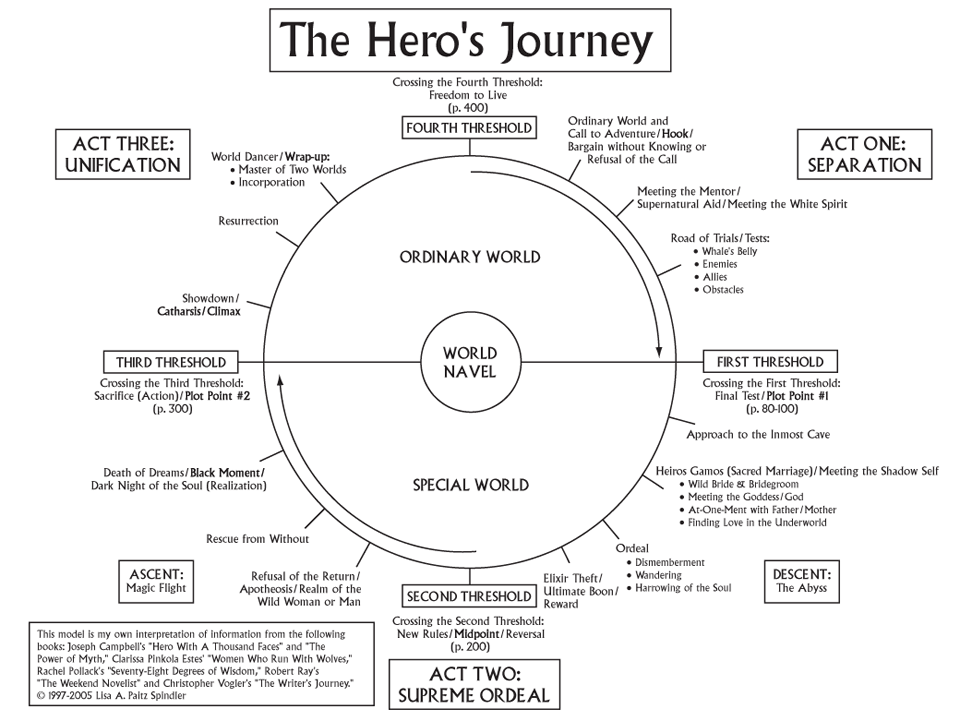
Many years ago Joseph Campbell wrote about the hero and his journey. Although fairy tales were created by women and heavily edited by men, Campbell didn’t write about the heroine’s journey. How could he? In contrast to the hero the heroine doesn’t get to return home and stay there after slaying the dragon. The woman’s journey is different. She is granted the gift of multiple transformations. She doesn’t get to return home because she is, in fact, home. And she slays the dragon multiple times and goes through mystical and real transformations.
There’s a stage when infancy is left behind by the first drop of blood. Then comes the sexual awakening, pregnancy, birth and motherhood. All those transformations, although not every woman walks every path, open the door for the last and biggest metamorphosis: the birth of the Crone. Autumn starts to signal what follows next. The strong and calm foundation of Winter.

Indeed, a woman’s journey ends with the crowning of a white head where she can reign by calmness and strong assurance in the midst of chaos. And all that while providing the next generation the gift of knowledge and wisdom. Throughout the ages women have carried the world inside themselves. And unfortunately also the weight of the world lies on the shoulders of women. Violence, abuse and unpaid labor have been piling up on the women’s psyche. That can either open the path to rage and death or to assertive redemption.
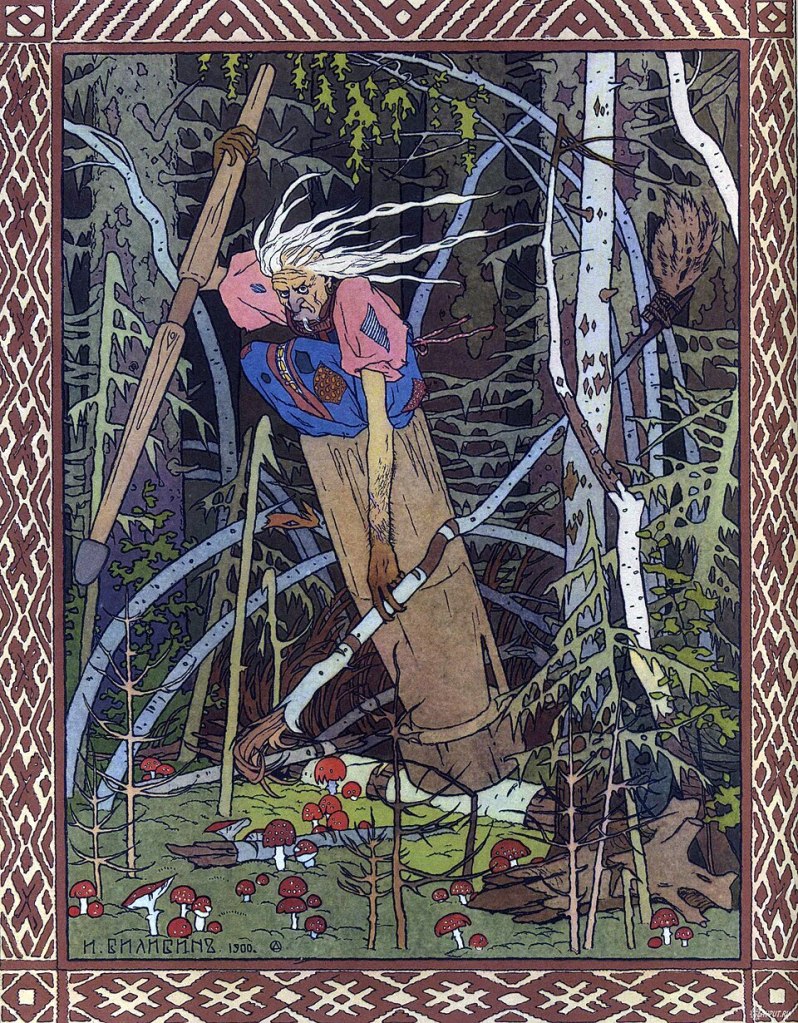
The path of rage and death is well known and the easiest to fulfill. It resides inside the mother in law that refuses to accept the woman that has stolen her son. The mother that’s intolerant to her young and beautiful daughter. The Snow White fairy tale repeats itself on every occasion when a mother despises and fears her daughter. A woman that’s unable to face her fading youth can transform herself into a vehicle of destruction. She becomes a weapon of the system that also destroyed her. Patriarchy, as an oppressive system, brilliantly pushes women against women.
In order to survive and to gain the favor of the oppressor, the enslaved have only one way: to follow the system directives. The woman that condemns her fellow victim, the mother that hates the youth and beauty of her daughter, the girl that hates her accomplished colleague, the woman that is happy with the misery of her sisters are just a facet of the enslavement of women. Instead of turning against the system, it is understandably easier to destroy the other.
The crone, when realizing the contempt she receives for her old age is presented with an easy path. The path of discontentment, anger, rage and ultimately destruction. She uses all her wisdom and knowledge to spread negativity onto her peers. This archetype is woven through fairy tales. The evil witch, the evil mother, the crone that feeds on the innocence of children and violence against young women, are just true representations of real women. Women that weren’t able to heal their scars and to rise above the system of death.
Those who were able to do that, are generally known as saviors and also as benevolent witches. They appear in literature and also in real life. They are the old women that know how to prepare a special tea to end an unwanted pregnancy or to induce labor. The old witches that offer comfort through wise words and sweet treats. Those old cartomancers able to discern the mental and emotional state of a person, leading desperate girls to carve new paths toward a better future. The fairy godmothers who, through the quiet mastery of their craft , help the young and helpless to step into other worlds. And every old witch that is able to teach compassion and empathy to vain and proud princes.
In each case, the white-crowned woman never appears again. Her invisibility is her strength and her knowledge and wisdom are her guides. Her masterpiece is fulfilled and her legacy is the happiness of others. Though old and unseen, she paves the way for a world full of life and hope. She is like the tree of life, giving shade to those who need rest and shelter.
 The Literary Raccoon
Leave a comment